Module Overview
This flagship module provides senior professionals with a practical and strategic understanding of Islamic capital markets, with a particular focus on sukuk structuring, governance, risk allocation, market execution and default scenario.
Moving beyond introductory concepts, the module examines how sukuk are engineered, documented, priced, and deployed across sovereign, corporate, project‑based, and ESG‑linked transactions, within both regional and global markets. Particular emphasis is placed on the UAE’s role as a leading hub for Islamic capital markets, including regulatory frameworks, investor dynamics, and cross‑border structuring considerations.
Through real‑world case studies and applied discussions, the module highlights the growing convergence of Islamic finance, sustainable finance, and impact investing, demonstrating how Islamic capital market instruments can support infrastructure development, halal industry financing, and socially responsible investment outcomes.
Course Description
This advanced module provides an in‑depth exploration of Islamic capital markets, with a strong focus on sukuk and innovative Sukuk structures shaping global and regional markets. Designed for capital market professionals, the course moves beyond fundamentals to examine how a Sukuk is structured, governed, priced, and deployed to meet financing, sustainability, and development objectives Islamically.
Participants will gain practical insights into the design and execution of sukuk transactions, including sovereign, corporate, project‑based, and ESG‑linked issuances. The module also examines market infrastructure, regulatory frameworks, investor dynamics, and cross‑border listing considerations, with particular emphasis on the UAE’s role as a global hub for Islamic capital markets.
Learning Objectives
By the end of this session, participants will be able to:
- Distinguish between different types of sukuk and their economic roles
- Understand the principles of Sharia that govern sukuk structures
- Structure sukuk using Ijarah, Mudarabah, Musharakah, Wakalah, and others
- Assess sukuk issuance processes, risk management, pricing, and investor demand
- Analyze legal, regulatory, and credit risk considerations
- Redemption of Sukuk investment
Course Outline
Foundations
- Brief introduction of Islamic Finance
- How Islamic banks do fundraising
- Difference between Bonds and Sukuk
- Sukuk in Summary
- Risk Paradigm: Sukuk Vs. Other Instruments
- Main ingredients for making a Sukuk
- Parties to a Sukuk Transaction
Risk, Structure and Governance
- Sukuk Structures Comparison: Pricing-Asset-Risk
- Tradability of a Sukuk
- Originator’s Analysis of Investment Based Sukuk
- Generic Sukuk Documentation
- Sukuk Structure Diagrams
- Generic Sukuk Structure
- Sukuk Based on Sale Contract (Murabahah)
- Sukuk Based on Lease Contract (Ijarah)
- Sukuk Based on Fund Management Contract (Mudarabah)
- Sukuk Based on Partnership Contract (Musharakah)
- Sukuk Based on Investment Agency Contract (Wakalah)
Assessments
Short quizzes for each session
End-of module Master quiz
Group exercises
Who should attend
- Capital markets professionals and treasury teams
- Islamic and conventional banks with Islamic windows
- Sukuk origination and structuring teams
- Legal, Shariah, risk, and compliance professionals
- Regulators, policymakers, and advisory professionals
- Institutional investors, asset managers, and family offices
Why you should attend
- Develop practical sukuk structuring capability, not just theoretical knowledge
- Gain insights from real‑world regional and international sukuk transactions
- Strengthen your ability to evaluate and participate in Islamic capital market deals
- Understand how sukuk support sustainability, ESG, and impact finance objectives
- Align professional expertise with the UAE Islamic Finance Strategy 2031
Course Schedule & Delivery Format
- Dates: 24-25 June2026
- Time: 9:00 AM – 4:00 PM (Gulf Standard Time)
- Format: In‑person and Live online
- Venue: DIFC Academy and Microsoft Teams
Additional Benefits
- Expert‑led delivery with practical templates
- Accreditation: Eligible for up to 4 CLPD points (subject to accreditor approval)
- Certification: DIFC Academy Certificate of Completion
Course Duration
· 14 – 16 High-Impact Learning Hours
· 30 minutes Optional Post Session Networking
· 30 minutes Indicative Self-paced Learning (Quiz) via DIFC Academy LMS
Course Delivered by:
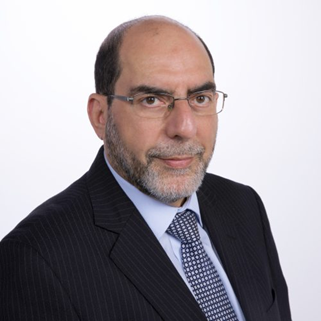
Sohail Zubairi is an Islamic finance specialist with extensive experience in Islamic banking, sukuk, Islamic capital markets, Shariah governance, and policy‑oriented advisory. His work focuses on the practical application of Islamic finance across financial institutions, regulators, and public‑sector stakeholders, with a strong emphasis on structuring, governance, and market development.
He is AAOIFI‑certified as a Shariah Advisor and Auditor (CSAA) and an IICRA‑certified Islamic Arbitrator and Expert (CIAE). Sohail regularly delivers advanced executive and professional programs on Islamic finance, sukuk, and Islamic capital markets, supporting capacity building aligned with national and institutional strategies, including initiatives linked to the UAE Strategy 2031.
Sohail is recognised for his ability to bridge classical Shariah principles with modern financial practice, offering clear, applied insights that are relevant to regulators, bankers, lawyers, investors, and policymakers engaged in Islamic finance and the broader Islamic economy.
For any questions, please email [email protected]
Select